Convenience is part of policy design
Teams choose workarounds when the compliant route takes longer or asks for information twice.
Management decisionMeasure abandonment and first-action time, then simplify the highest-volume routes.
The organisation had spend visibility, but teams continued buying off contract when the compliant route was slower. We redesigned the highest-volume buying routes, embedded preferred suppliers and policy rules, assigned exception owners and established a weekly category decision cadence.
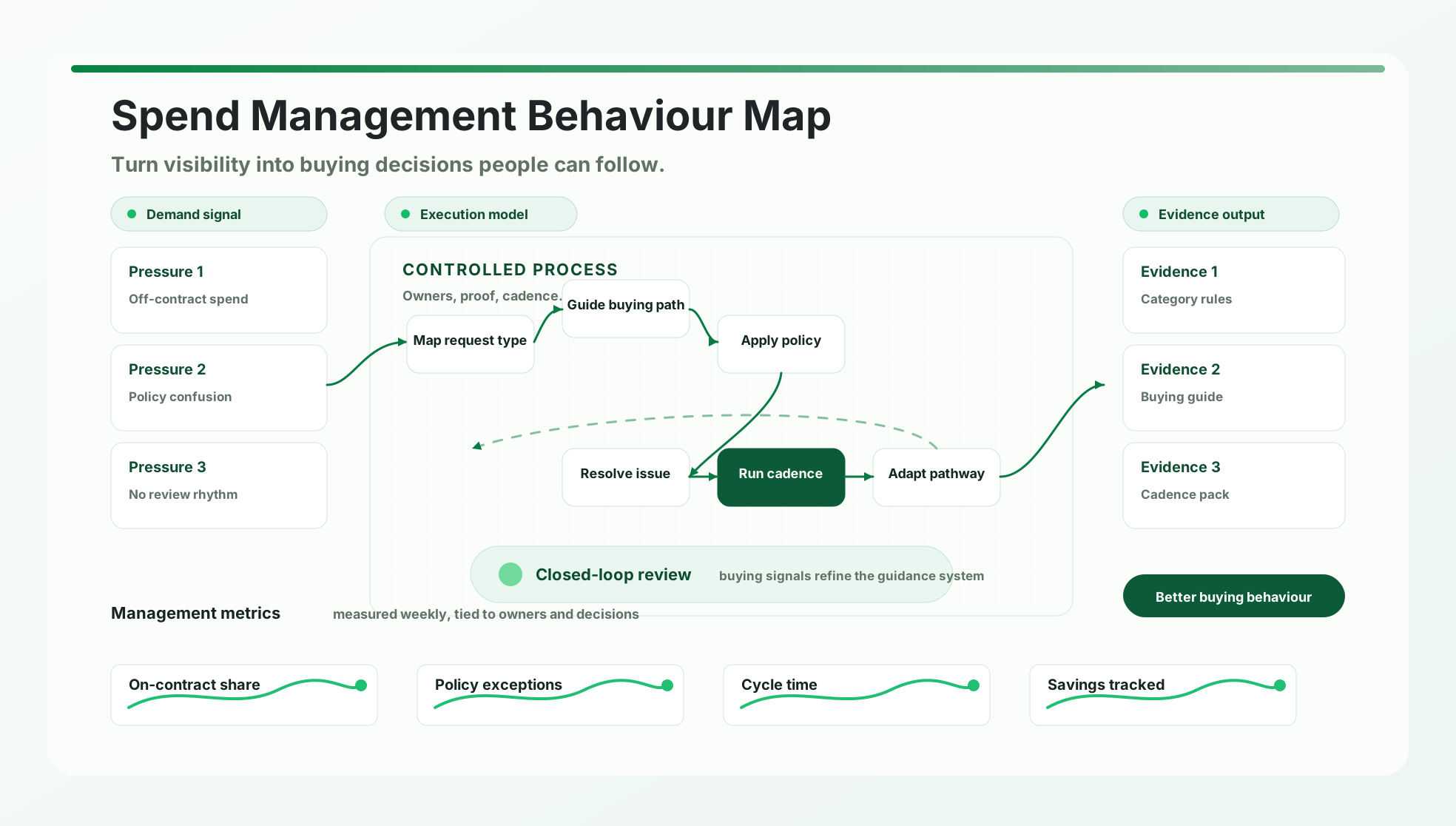
Anonymised case study. Focus: changing buying behaviour through front-door design, decision rights and category governance.
Connect demand signals to a guided route, explicit approval and a weekly category decision so spend data changes future buying behaviour.
Need, timing, value and current supplier
Preferred channel, supplier or sourcing path
Approve, compete, consolidate or stop
Contract, PO, receipt and invoice
Remove the next leakage or friction cause
Each finding connects an observed business signal to a decision, owner or allocation choice.
Teams choose workarounds when the compliant route takes longer or asks for information twice.
A spend signal does not inform category action until an owner can change demand, route or supplier choice.
Repeated exceptions can indicate weak compliance or an impractical route.
Anonymised working assets used to define decisions, configure the workflow and transfer ownership into operations.
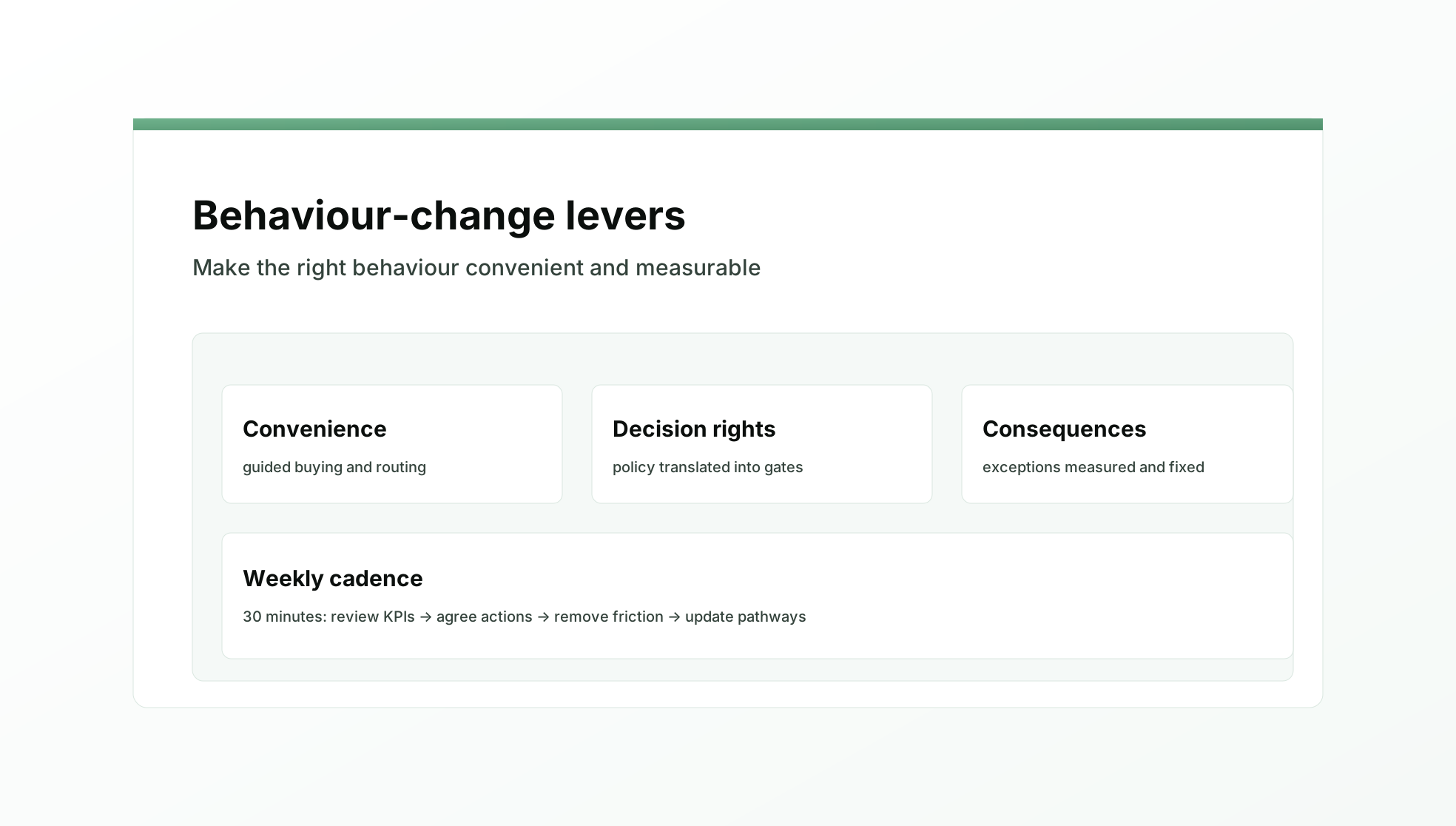
We map spend leakage to a few levers procurement can actually control: convenience, decision rights, and consequence design.
Dashboards help only when they trigger weekly actions with owners.
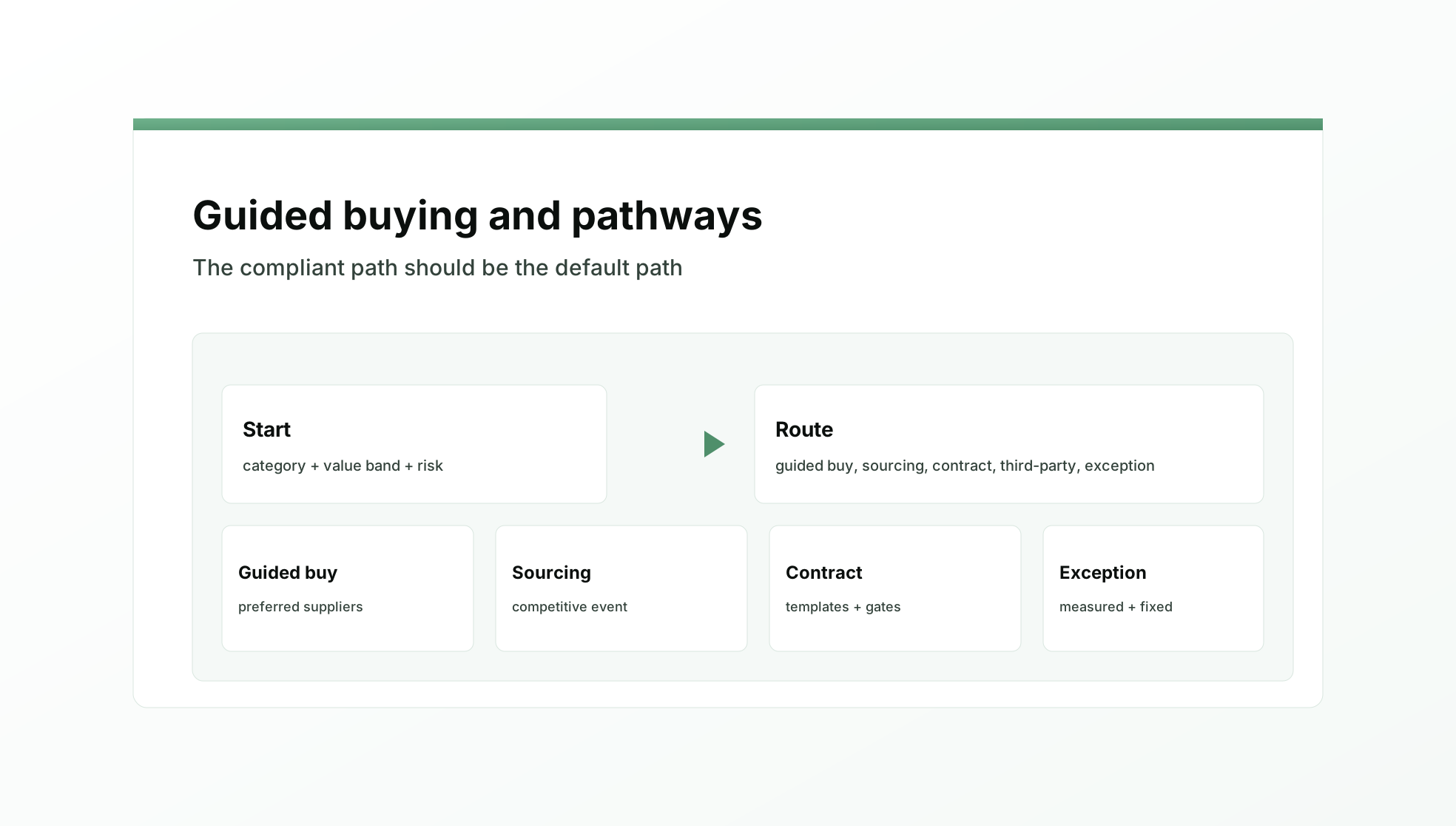
The routing map embeds preferred options, policy rules and an owned escalation route for urgent demand.
Route-change governance keeps guidance current as suppliers, demand and policy change.
These KPIs show where buying pathways, policy rules, and weekly category decisions need correction.
Baselines and targets are operating ranges used to frame discovery and acceptance. They are not presented as verified client results.
4–6 weeks (design) + 6–10 weeks (delivery)
Design (Weeks 1–3): baseline leakage, define policy and pathways, agree decision cadence and owners
Delivery (Weeks 4–6): implement guided buying, preferred suppliers, and exception handling rules
Delivery (Weeks 7–10): adoption sprint, KPI pack, and stabilisation after go-live
Scale (Weeks 11–16): extend to more categories and refine based on measured friction points
Continue into the service page tied to this example, or compare the wider advisory offer.