Variance reveals weak routing
When simple and complex agreements take similar time, the workflow is not responding to complexity.
Management decisionMeasure P75 cycle time by tier and correct the stage creating variance.
S2C was slow and unpredictable. Legal and procurement were overloaded, stakeholders escalated, and “urgent” requests bypassed agreed controls. We reset decision rights, simplified templates and playbooks, and tightened the workflow so approvals and risk checks happened reliably without becoming the bottleneck.
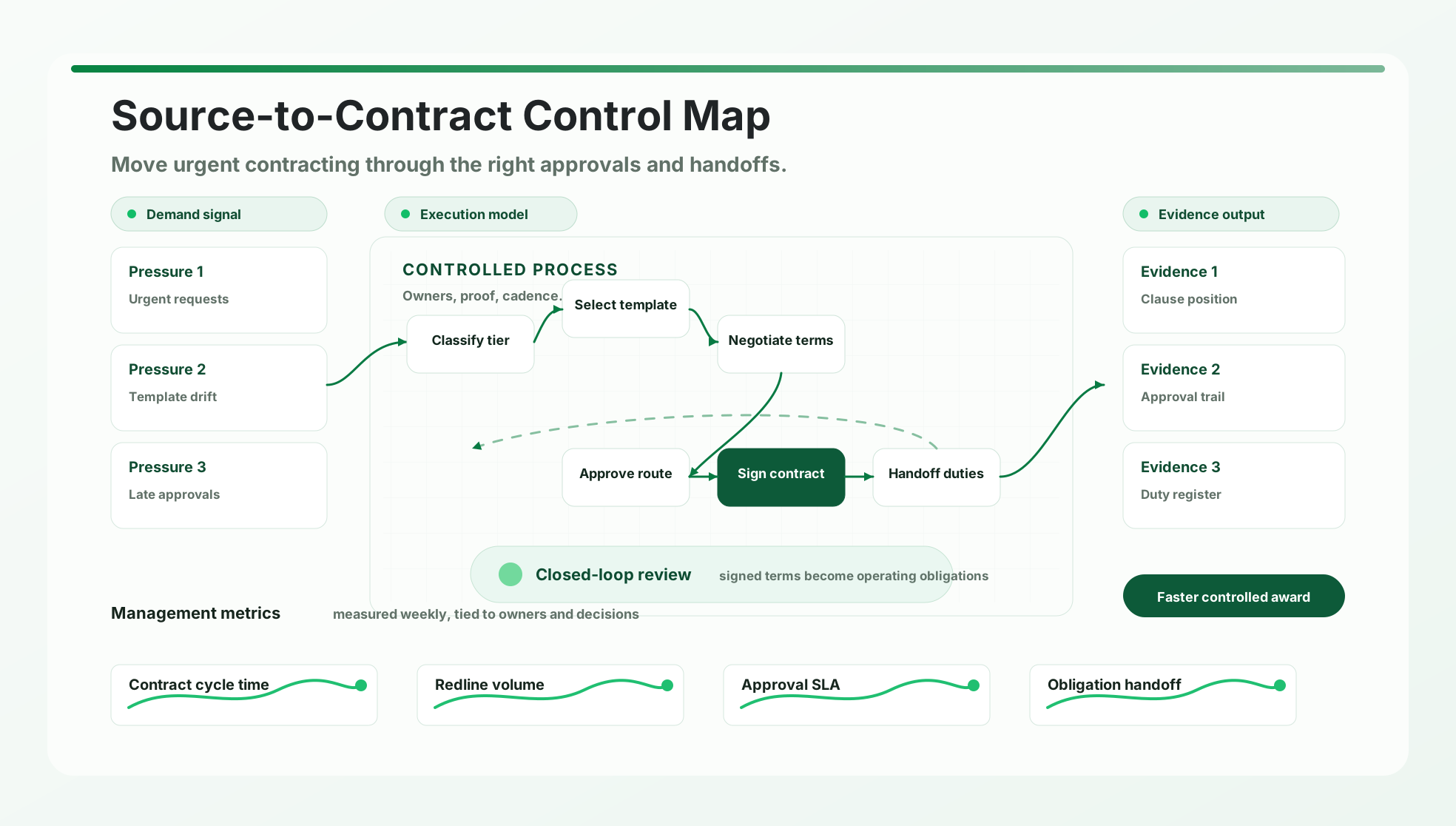
Anonymised case study. Focus: reducing cycle-time variance through decision rights, contract tiers, playbooks and workflow design.
Tier the requirement at intake, run independent reviews in parallel and escalate the blocking decision with the evidence needed to resolve it.
Demand, value, risk and decision owner
Path, SLA, market and approval plan
Commercial, technical and risk evidence
Named owner accepts the recommendation
Deviations, obligations and system data
Each finding connects an observed business signal to a decision, owner or allocation choice.
When simple and complex agreements take similar time, the workflow is not responding to complexity.
Redline loops persist when owners, fallback positions and stop conditions are unclear.
Value and risk are lost when deviations and obligations remain in documents instead of operational records.
Anonymised working assets used to define decisions, configure the workflow and transfer ownership into operations.
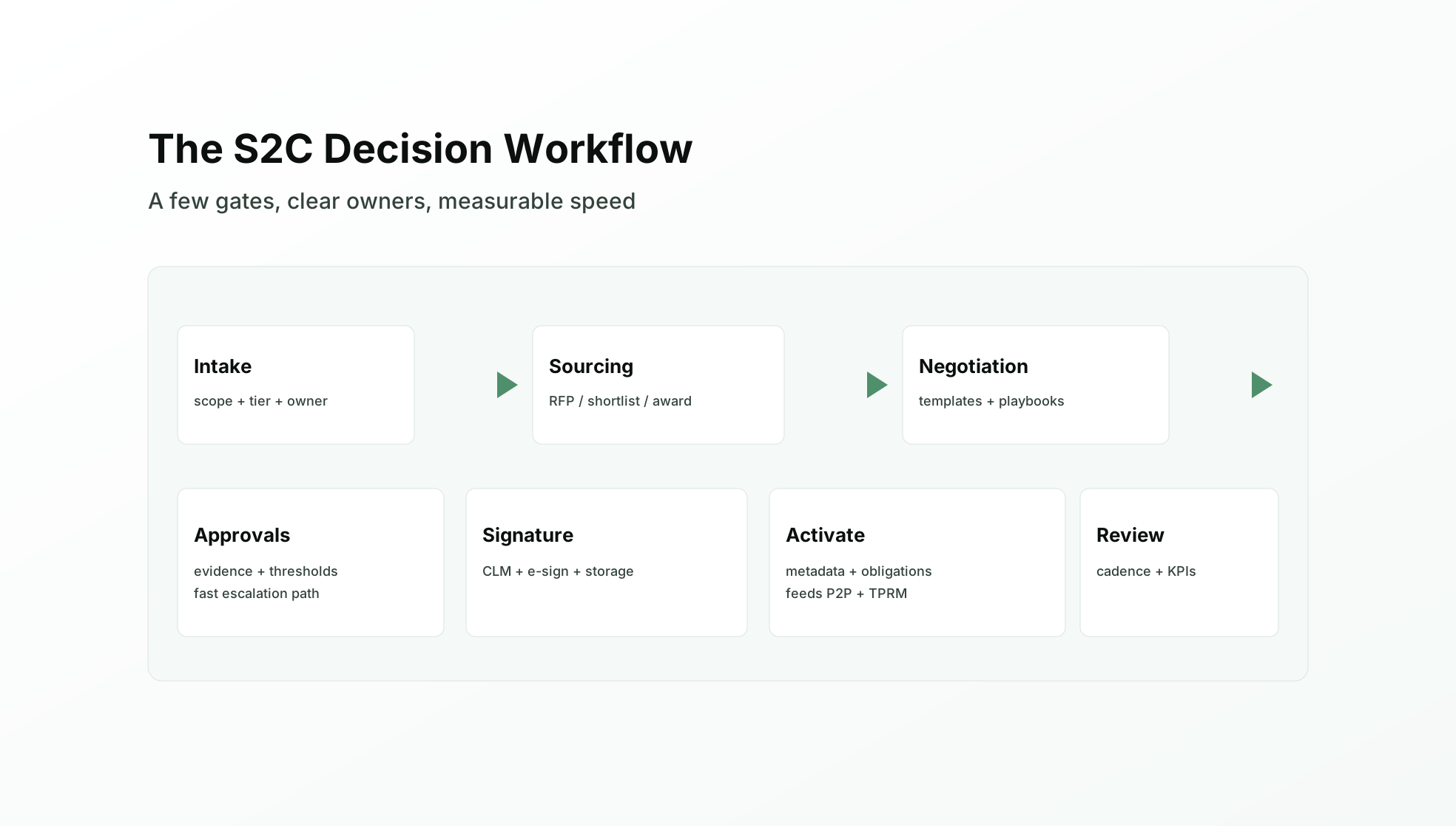
The workflow assigns each decision to an owner, states the required evidence, and identifies which terms and routes can be standardised.
Each control sits at the relevant decision point with an owner and evidence standard.
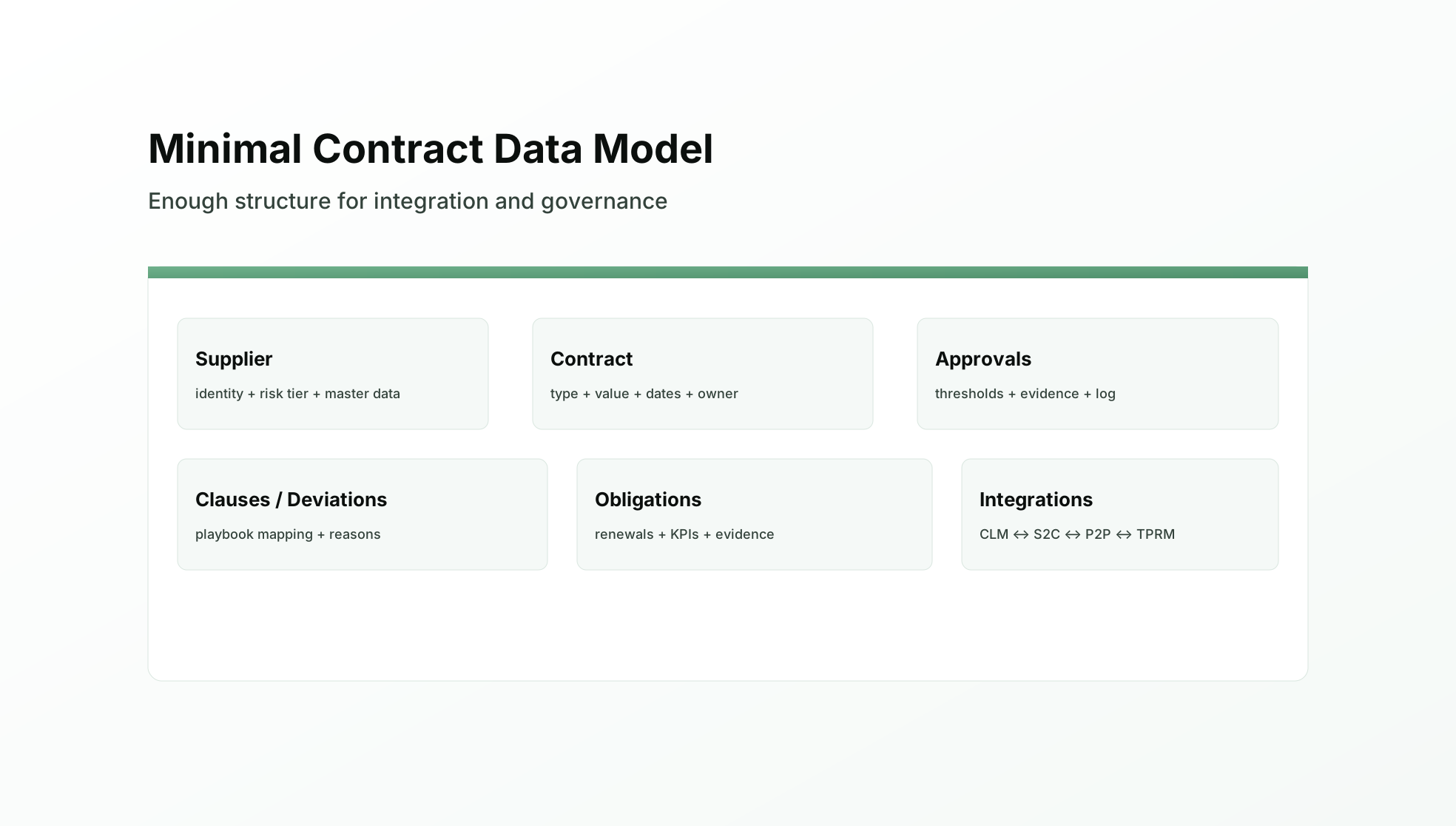
Missing or inconsistent contract data creates rework. The minimum model defines the fields required for integrations, reporting, obligations, and downstream controls.
A small, explicit model reduces integration friction across S2C/CLM/P2P and third-party workflows.
Targets are set by contract tier and risk profile, with decision rights, templates, playbooks, and workflow gates defining the route.
Baselines and targets are operating ranges used to frame discovery and acceptance. They are not presented as verified client results.
4–6 weeks (reset) + 6–12 weeks (delivery)
Reset (Weeks 1–2): Baseline cycle time, map bottlenecks, clarify decision rights, and standardise templates/playbooks
Delivery (Weeks 3–6): Implement workflow improvements, approval paths, and negotiation support assets
Delivery (Weeks 7–12): Stabilise integrations, reporting definitions, and handover to steady-state ownership
Continue into the service page tied to this example, or compare the wider advisory offer.