A clause becomes valuable when it triggers work
Extracted terms do not change outcomes until an owner receives an action at the relevant time.
Management decisionPrioritise terms by operational consequence and define the action each term creates.
A regulated manufacturer needed S2C to manage contract obligations and renewals, complex pricing grids and multi-stakeholder due diligence. A thin-slice POC tested the data model and edge cases before rollout. The production design connected terms, owners, workflow triggers, award evidence and executive decisions.
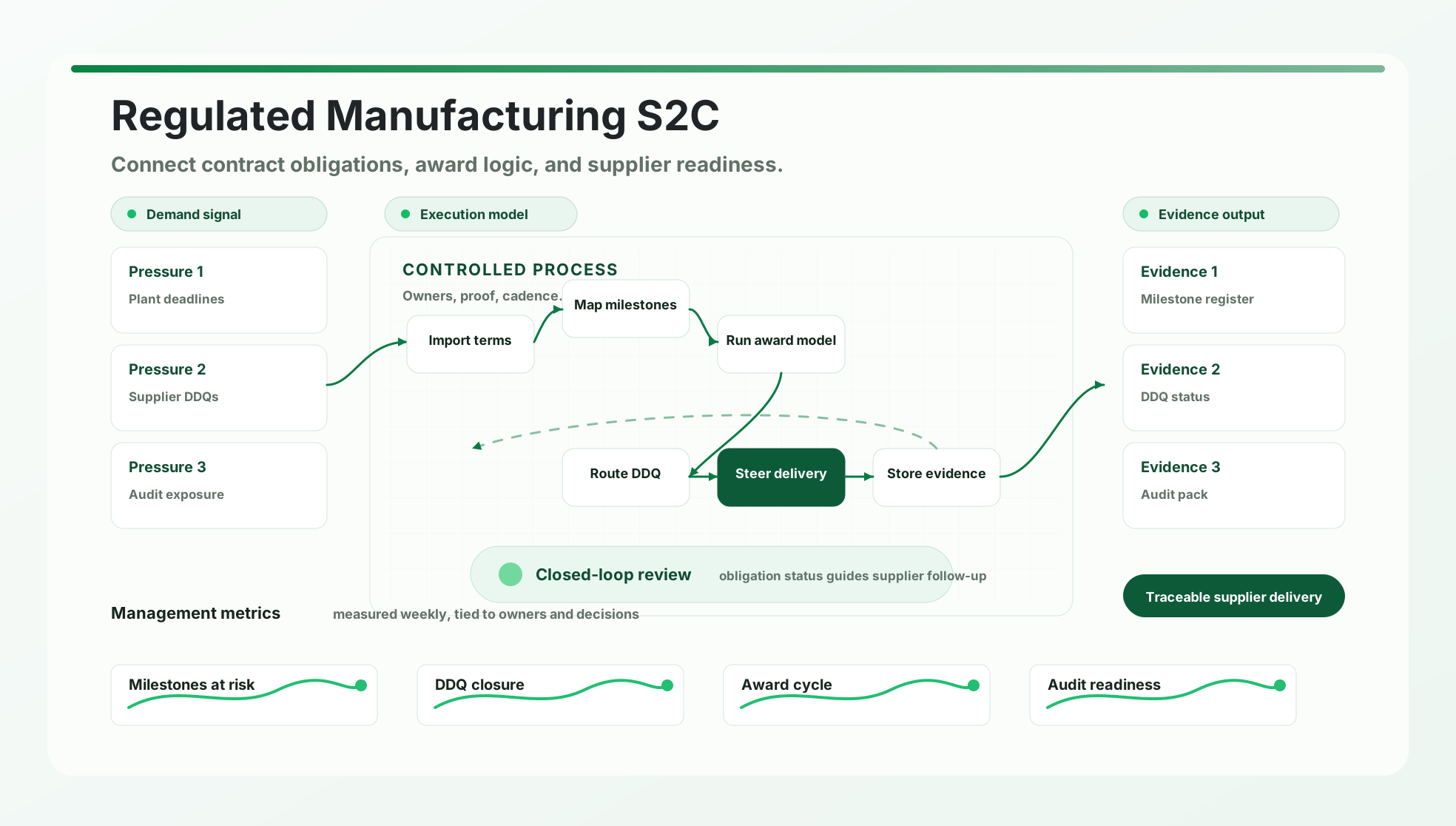
Anonymised case study. Focus: operationalising contract terms, obligation tracking, and complex award logic in a regulated environment.
Structure the term, assign the obligation, trigger action before the due date and retain evidence of the decision and completion.
Clause, milestone, notice and dependency
Accountability, timing and evidence
Renewal, review, delivery or control
Renew, remedy, accept or escalate
Outcome, approval and residual exposure
Each finding connects an observed business signal to a decision, owner or allocation choice.
Extracted terms do not change outcomes until an owner receives an action at the relevant time.
Price grids alone cannot represent quality, service, risk and contractual fit.
Unresolved organisational, supplier and PR structures reappear as integration defects late in delivery.
Anonymised working assets used to define decisions, configure the workflow and transfer ownership into operations.
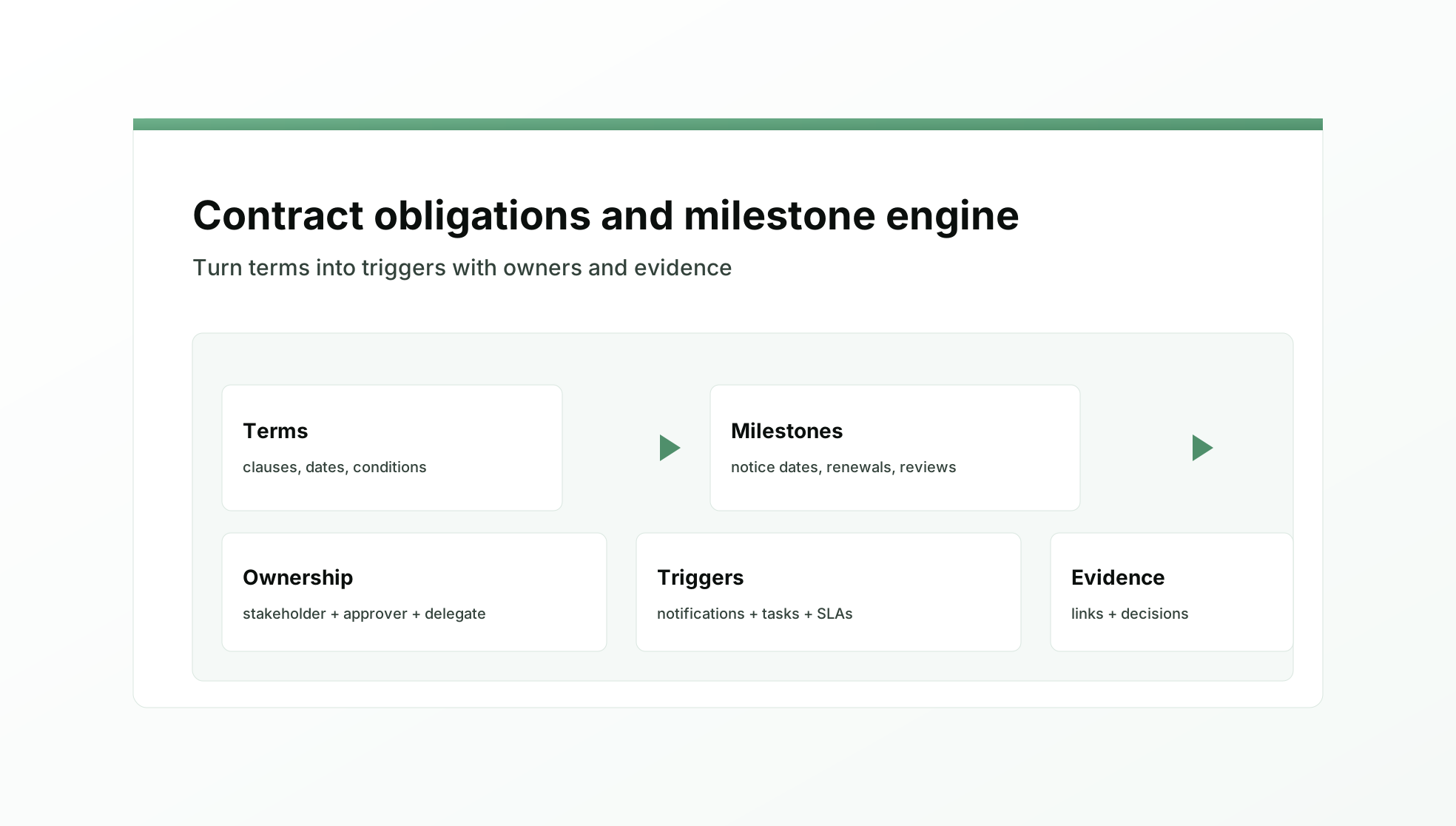
The obligations structure connects milestone types, notice dates, owners and notifications to an action before each contractual deadline.
Obligations management succeeds when ownership and evidence are built into the workflow.
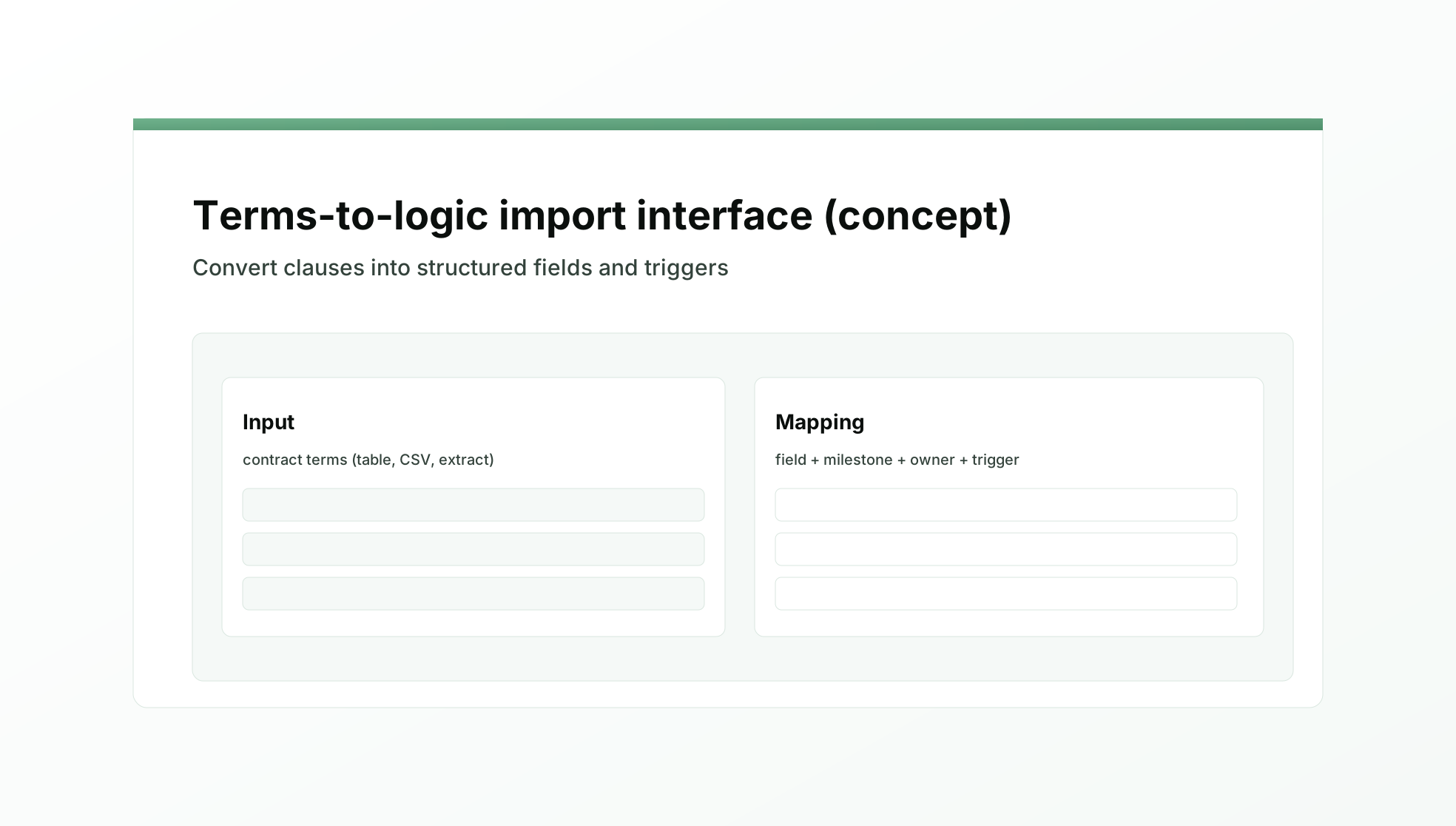
To accelerate adoption, we created an import and mapping interface for contract terms and milestones. We proved it in a POC with stakeholders, iterated, then industrialised it into a repeatable pattern.
Structured import and mapping reduce repeat configuration of complex terms.
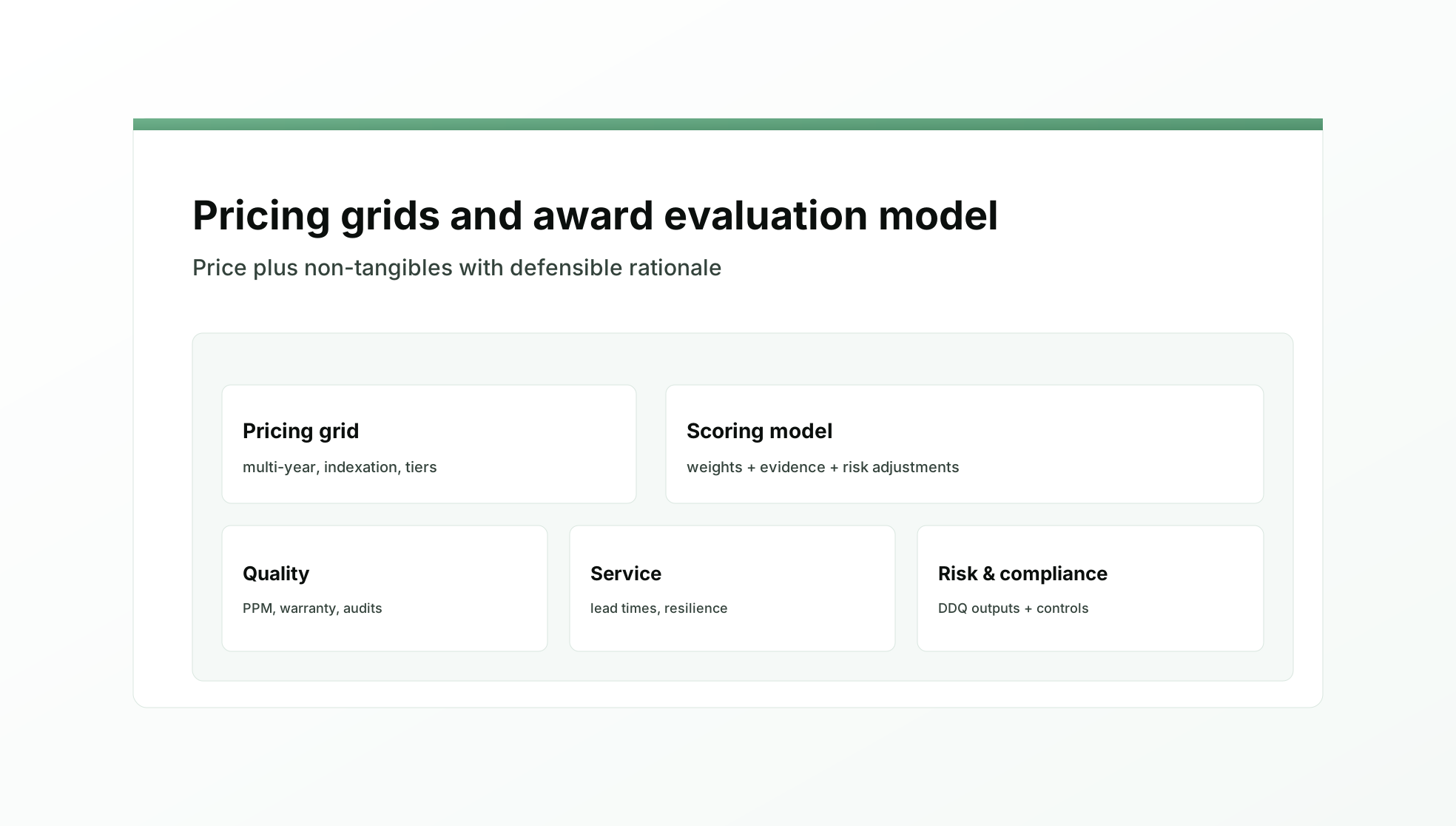
We implemented grid-based evaluation that handled long-term, high-value deals: multi-year price structures, indexation, non-tangibles, and risk-weighted scoring with audit-ready rationale.
The award record combines price, risk, service, quality and contractual-fit evidence.
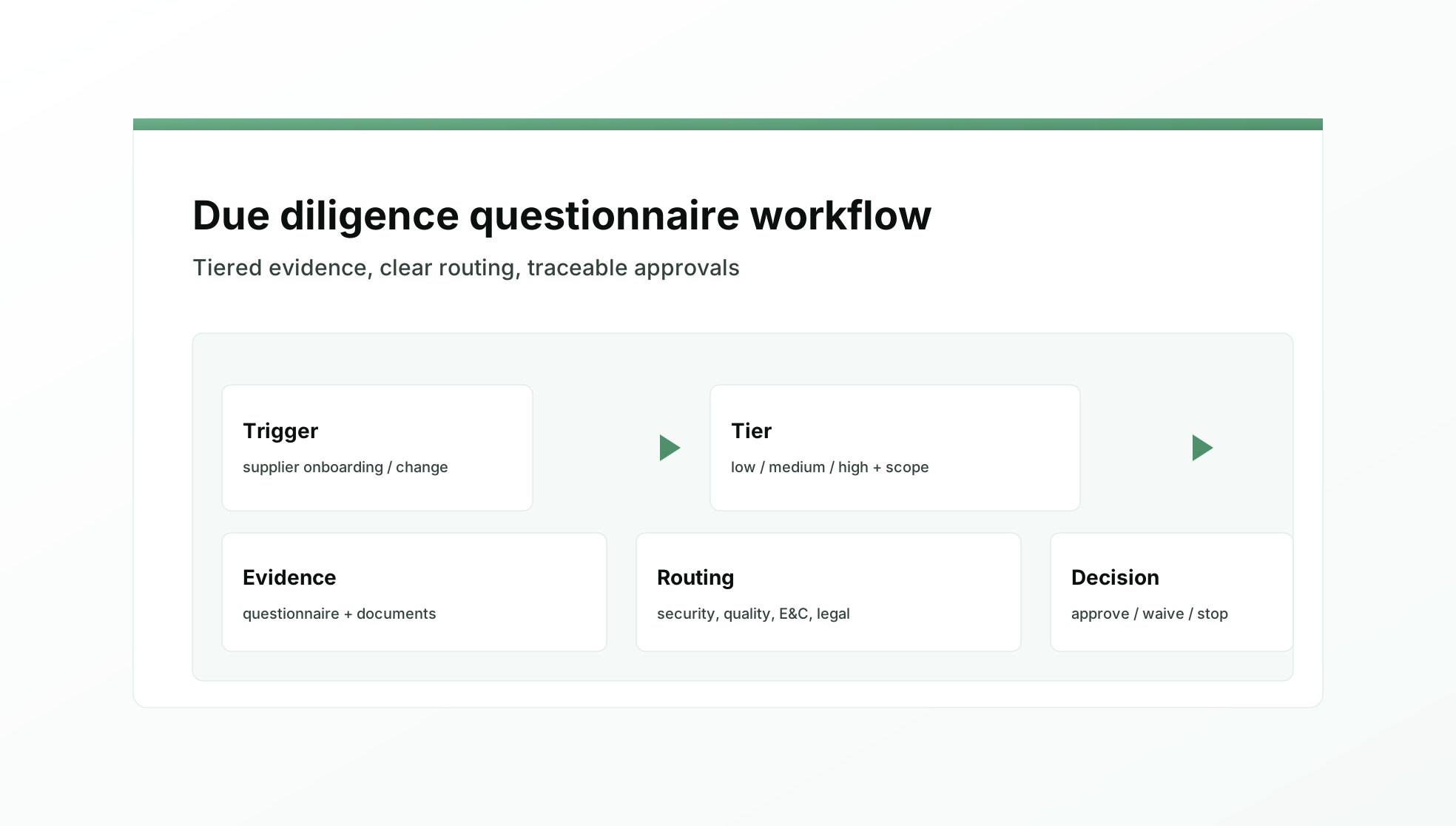
We redesigned due diligence so it was usable in production: tiering, evidence requirements, clear routing, and a defensible audit trail across stakeholders.
Tiered routing and linked evidence make the due-diligence decision reviewable end to end.
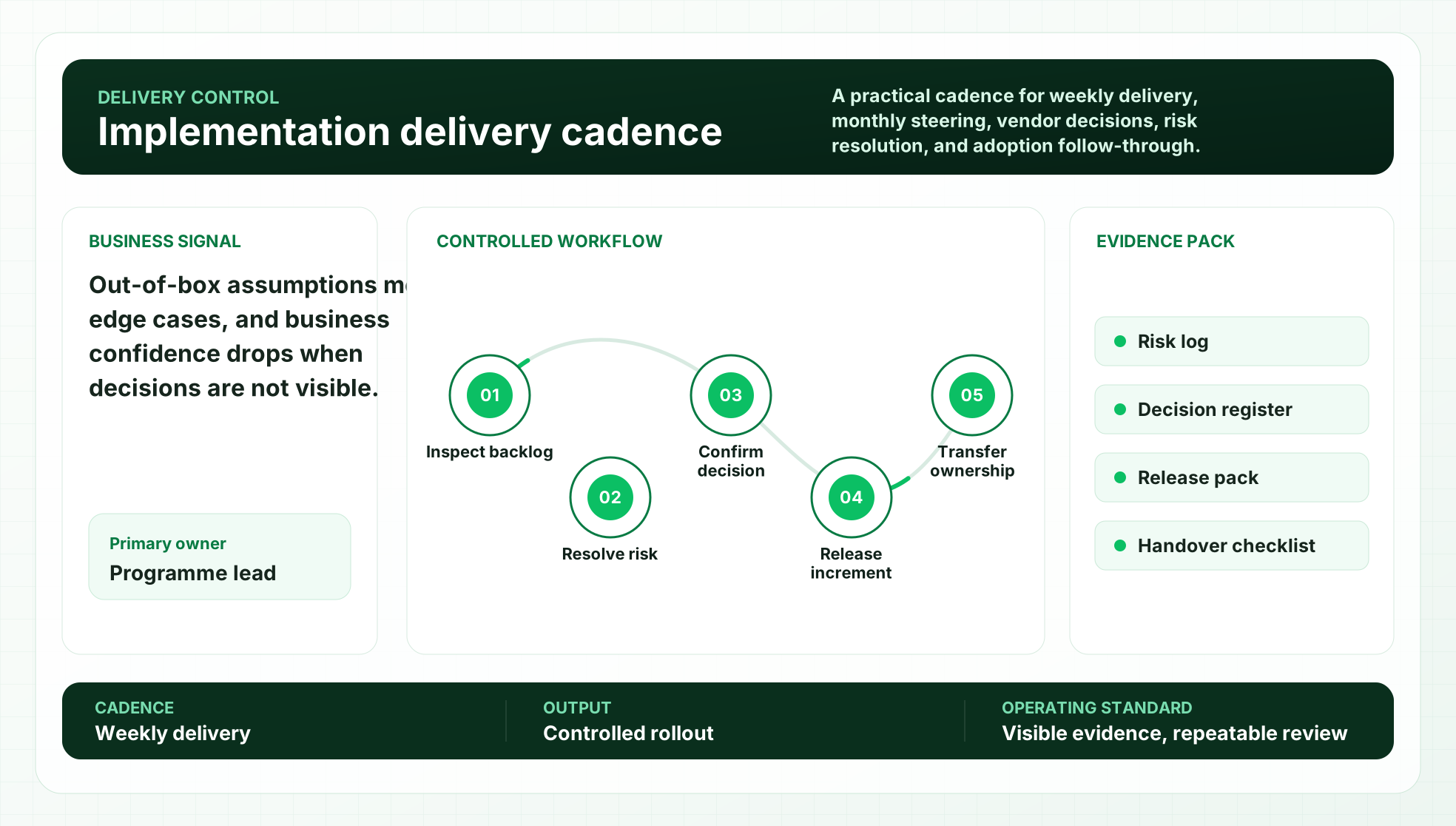
Weekly delivery review and monthly executive steering kept owners, risks and configuration decisions visible as representative edge cases were tested.
Delivery confidence comes from cadence, decision rights, and plain-language translation between business and technical teams.
In regulated manufacturing, missing notice dates and unowned obligations create renewal risk. The target state has measurable coverage, named owners, and workflow-triggered action before each deadline.
Baselines and targets are operating ranges used to frame discovery and acceptance. They are not presented as verified client results.
4–6 months (POC → rollout → stabilisation)
Weeks 1–4: Discovery workshops, process mapping, and data model alignment (including PR types and organisational structure)
Weeks 5–8: Thin-slice POC (obligations engine + term import) with stakeholder demos and iteration
Weeks 9–14: Build and configure core S2C workflows (RFx, templates, complex pricing grids, award models, approvals)
Weeks 9–16: Parallel track — DDQ routing, evidence standards, and audit trail design for regulated scope
Weeks 13–18: Integrations and edge cases (ERP/master data, user roles, variations, and reconciliation rules)
Weeks 17–20: Analytics build (SQL-backed definitions), reporting cadence, and adoption enablement
Weeks 21–22: UAT, training, and cutover readiness (acceptance tests and go-live checklist)
Weeks 23–24: Controlled rollout (wave-based) with hypercare and stabilisation backlog
Weeks 25–26: Hardening, performance tuning, and handover to steady-state ownership and support model
Continue into the service page tied to this example, or compare the wider advisory offer.