Event strategy precedes lead capture
Contact volume cannot show whether the chosen audience, offer or proof justified the investment.
Management decisionAgree the event role, target cohort and decision evidence before activation.
Events generated conversations, but contact volume obscured which accounts had a current reason to act. Notes, follow-up ownership, and attribution varied by rep. We defined valid event signals and source requirements, used agent assistance to prepare account context and follow-up, and established named approval and cohort conversion review from conversation to pipeline.
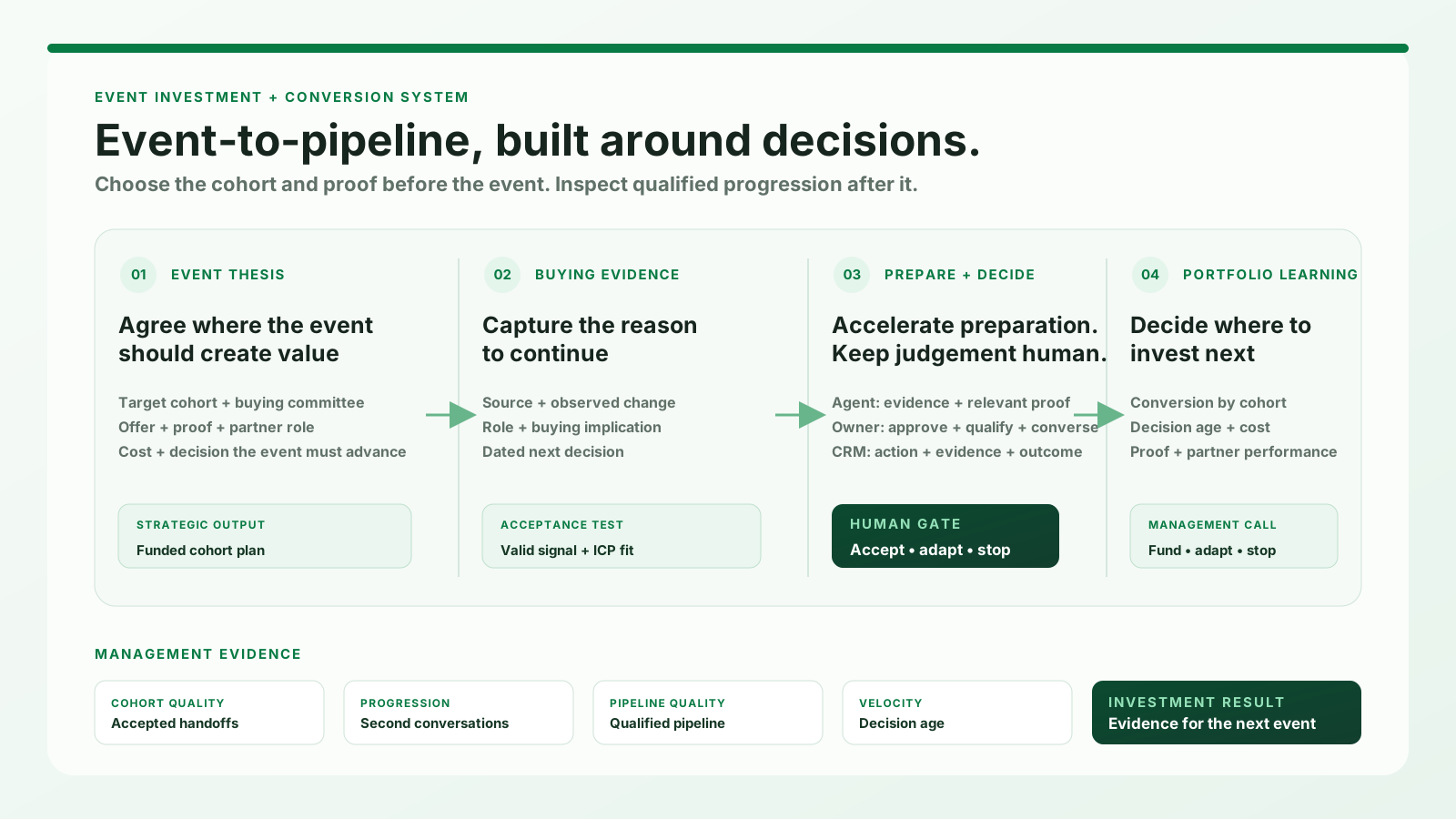
Anonymised case study. Focus: target-account selection, lead acceptance, follow-up ownership and cohort conversion.
Agree the target cohorts, offer, proof and investment test; capture valid buying context; use agents for preparation; and keep commercial approval, qualification and relationships with named owners.
Cohort, offer, proof and investment test
ICP fit, role, timing and next decision
Account brief, proof and grounded draft
Accept, edit, reject or reroute
Acceptance, pipeline and decision age
Each finding connects an observed business signal to a decision, owner or allocation choice.
Contact volume cannot show whether the chosen audience, offer or proof justified the investment.
Fast research and drafting creates value only when the action is relevant and accountable.
Event reporting matters when it informs which audiences, formats and partners deserve future budget.
Anonymised working assets used to define decisions, configure the workflow and transfer ownership into operations.
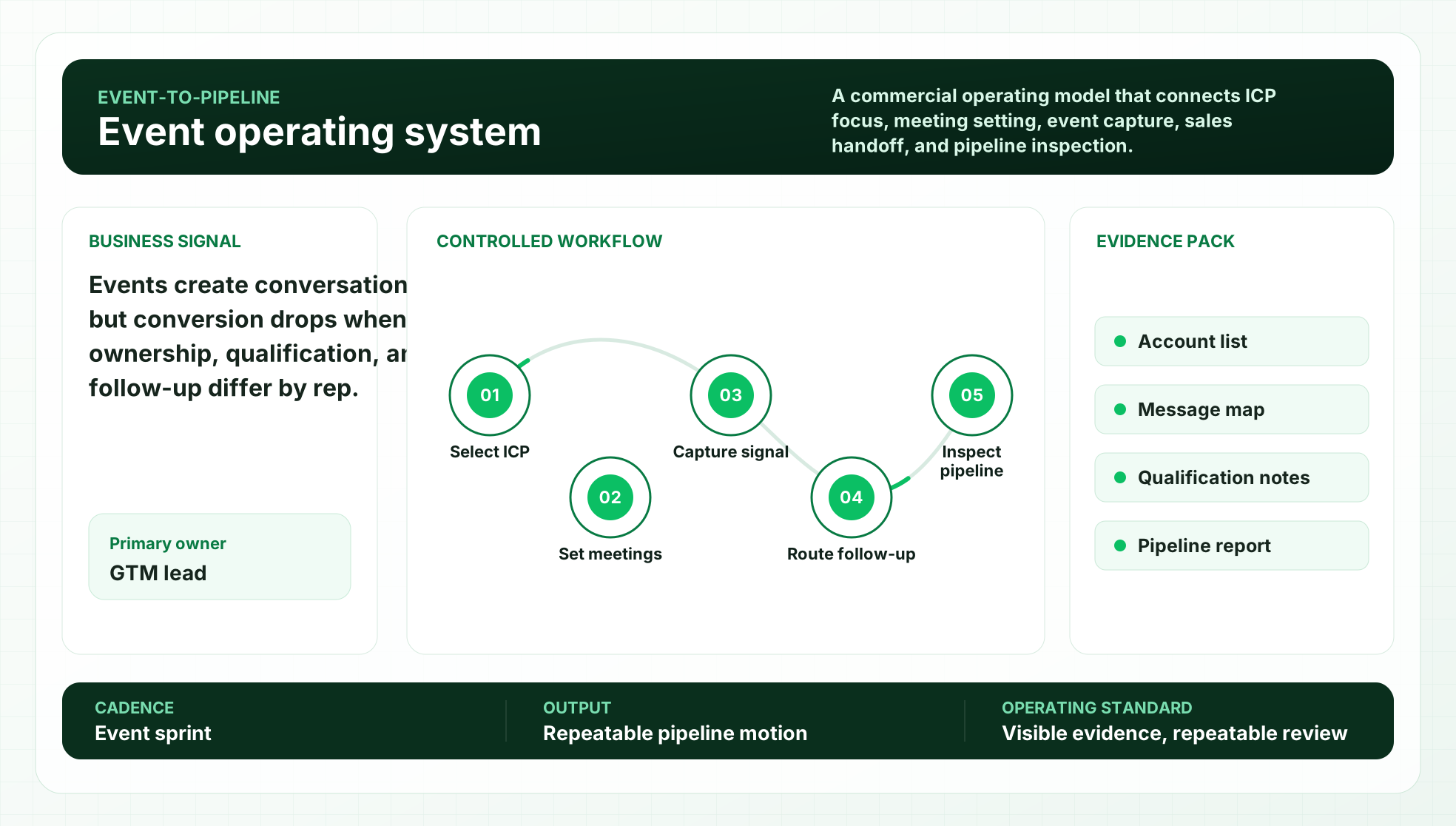
An event-to-pipeline process that connects ICP focus, meeting setting, event capture, sales acceptance, and pipeline inspection.
Built to make event conversion inspectable across marketing, sales, and revenue operations.
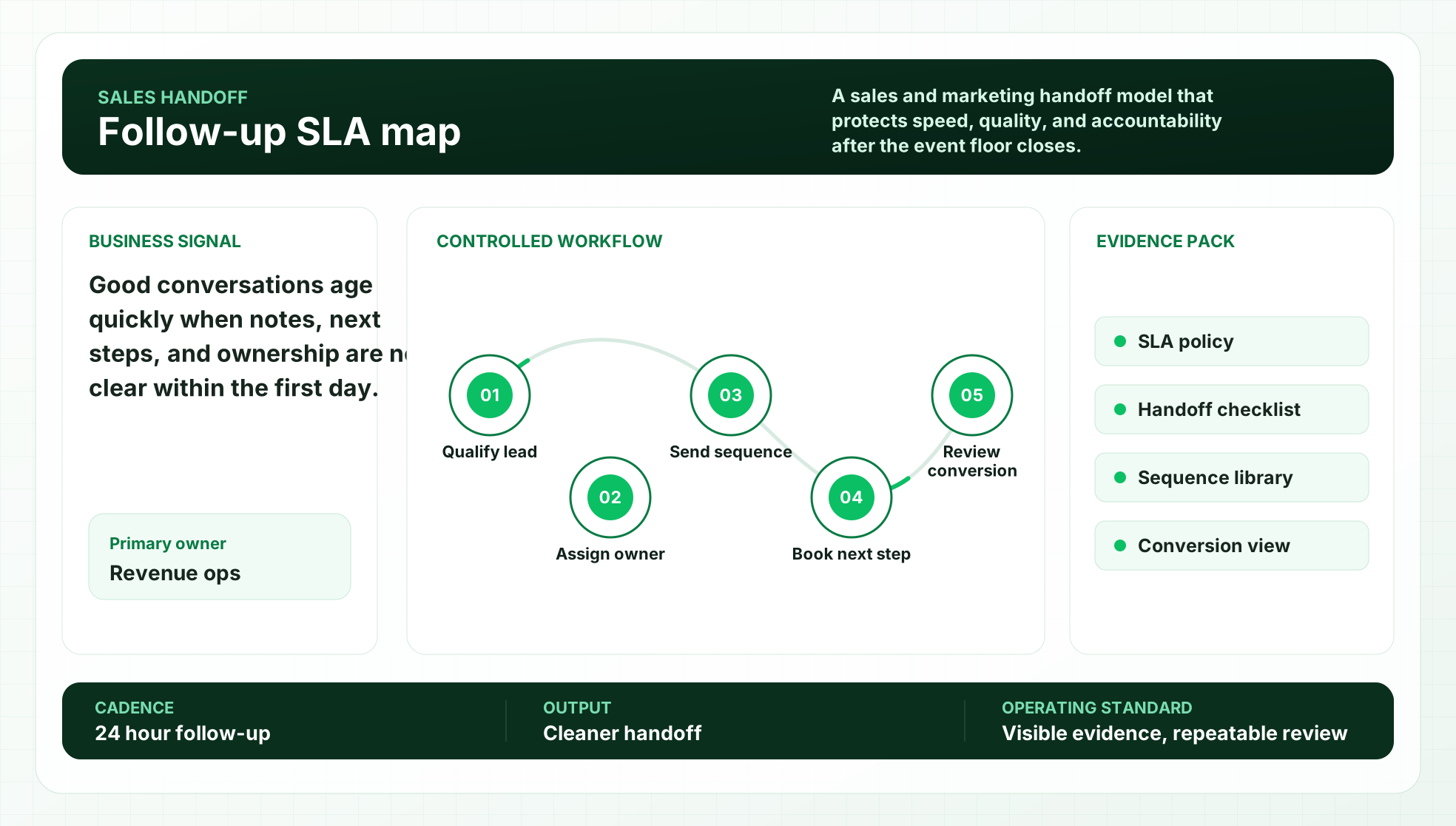
A lead acceptance model that protects speed, quality, and accountability after the event floor closes.
The first day after an event carries the highest conversion risk. Ownership and next steps need to be explicit.
Standards are agreed by account tier and event objective. They govern lead quality and pipeline data, while activity targets remain separate.
Baselines and targets are operating ranges used to frame discovery and acceptance. They are not presented as verified client results.
4–8 weeks
Week 1: Agree the event investment thesis, target cohorts, valid signals, required CRM fields, and acceptance rules
Weeks 2–3: Build the pre-event account plan, proof, partner motion, enablement, and meeting strategy
Week of event: Capture the source, buying context, role, and the next decision
Weeks 4–8: Agent-assisted preparation, owner-approved follow-up, cohort reporting, and retrospective
Continue into the service page tied to this example, or compare the wider advisory offer.